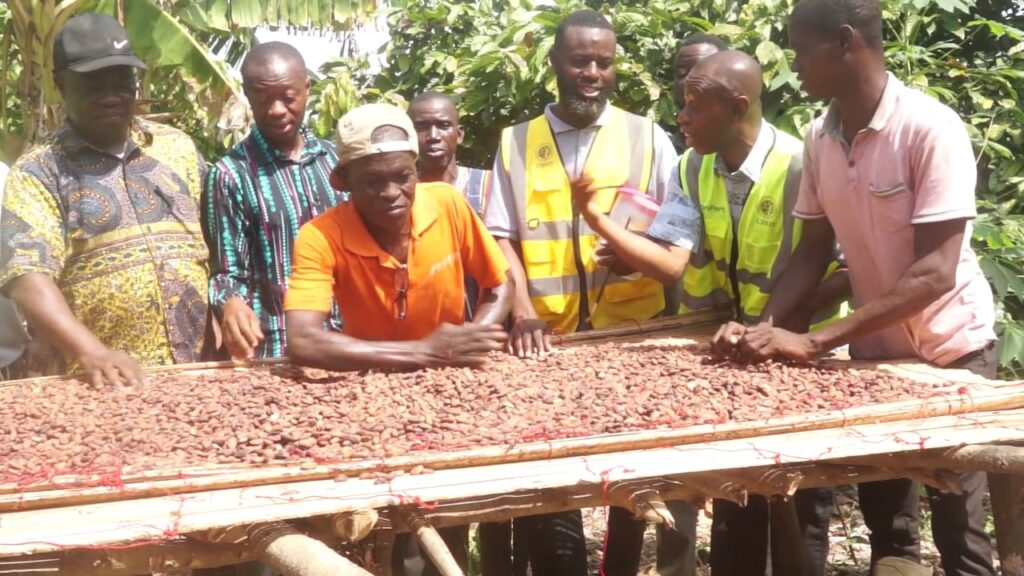
A farmer in the Northern Region has defied decades of agricultural assumptions by successfully cultivating cocoa in the savannah zone, challenging the long-held belief that the crop cannot survive in the area’s harsh climatic conditions.

For years, experts and residents alike insisted that the northern landscape, characterised by shorter rainy seasons, high temperatures, and long dry spells, made cocoa cultivation impossible. Farmers in Nanumba North and surrounding districts focused mainly on drought-resistant crops such as yams, maize, millet, and groundnuts, leaving cocoa production strictly to Ghana’s forested southern regions.
But in 2012, Mohammed Anchela, driven by conviction and innovation, set out to prove otherwise. He established a cocoa farm at Salnaa Yili in the Nanumba North Municipality, determined to demonstrate that with proper care and improved agronomic practices, cocoa could thrive even in the savannah.
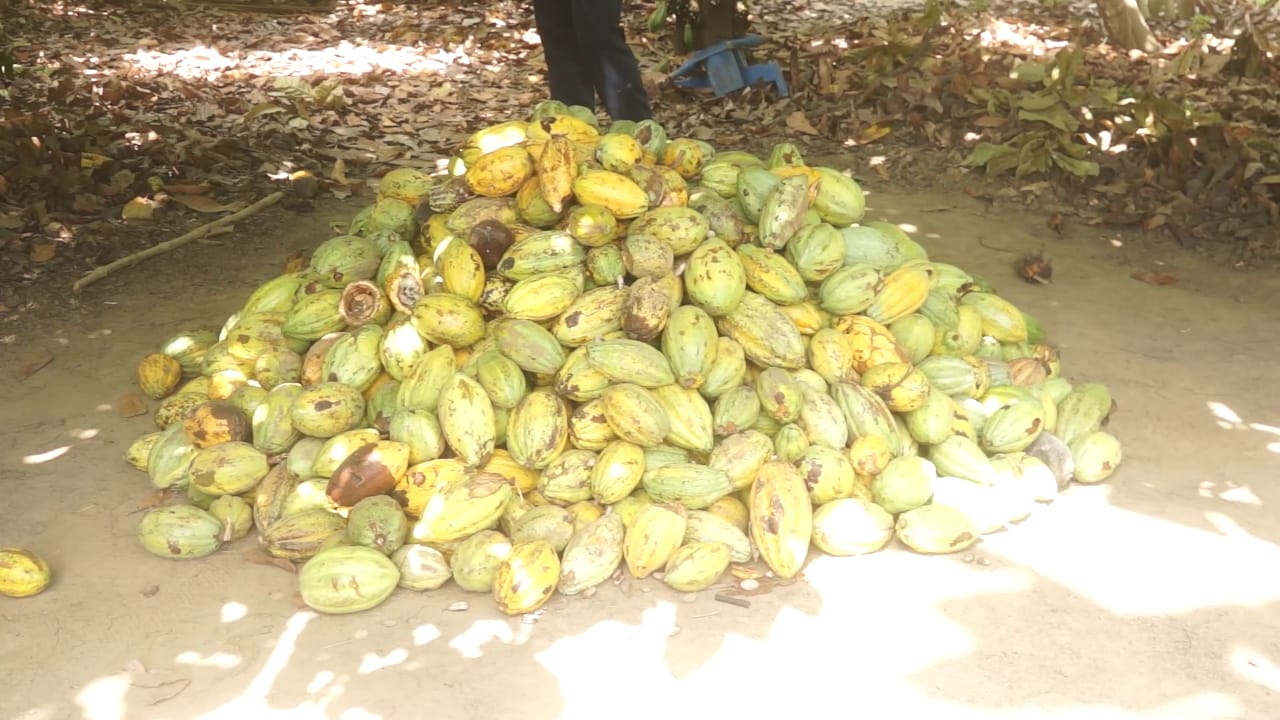
His decision was initially mocked. Many residents dismissed the attempt as a futile venture, arguing that cocoa seedlings would die off within weeks. Still, Anchela persisted. He adopted hybrid cocoa varieties, invested in consistent nurturing of the young plants, and applied modern farming techniques to adapt to the region’s climate.
Though the early years were riddled with challenges, particularly irregular rainfall and the need for constant monitoring, the plants survived and eventually flourished.
What began as a curiosity has now become a beacon of possibility. Farmers who once doubted the idea now visit his farm to witness the unexpected success for themselves. Among them is peasant farmer Jegri Abukari, who says he is ready to venture into cocoa cultivation after seeing what was once deemed impossible.
Anchela’s achievement has sparked broader discussions about agricultural diversification in the Northern Region, inspiring hopes of shifting beyond traditional crops and tapping into alternative cash-crop opportunities.
His accomplishment soon drew national attention. A high-level delegation from the Ghana Cocoa Board (COCOBOD) visited Salnaa Yili to inspect the farm. Led by the Deputy Chief Executive Officer, the team toured the plantation and expressed admiration for the farmer’s creativity and resilience.
During the visit, Anchela recounted how many doubted his efforts, but said he remained convinced that cocoa could grow in the north with commitment and the right techniques.
A retired Agric Officer, Ali Dasana, also praised the farmer’s groundbreaking work, noting that for years, both experts and farmers believed the region was unsuitable for cocoa. He said Anchela’s success “has disproved this long-held perception and opened new possibilities for the area.”
In recognition of his pioneering work, Deputy CEO Dr. Francis Baah announced that COCOBOD’s Chief Executive, Dr. Randy Abbey, has pledged to build a house for the farmer. Dr. Baah further urged residents to put an end to indiscriminate bush burning, which threatens farmlands and innovative efforts such as Anchela’s.
Mohammed Anchela’s journey from skepticism to national recognition stands as a powerful reminder of what determination, innovation, and belief can achieve, even in the least expected environments.
By: Baba Kamil Mohammed, Northern Region.
Read also…
Amenfi Central pushes major water expansion as MP rolls out phase three
Click on the link to join the OnlineTimesGH News channel for curated, meaningful stories tailored just for
YOU: https://whatsapp.com/channel/0029VajF89Q6WaKprDT5mu2V
About The Author